

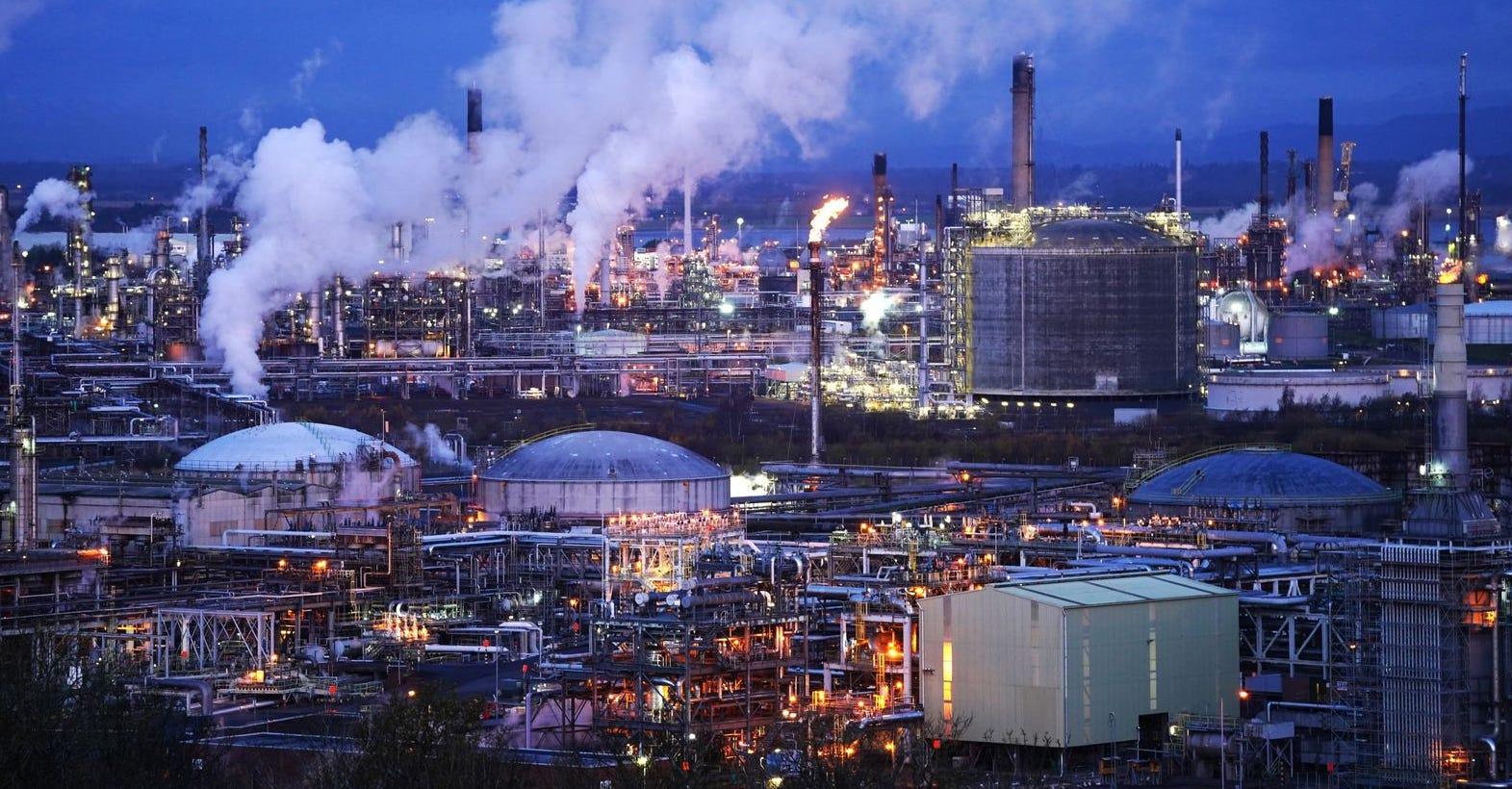
Last week, Donald Trump announced an “energy ceasefire“ between Russia and Ukraine under which each side would reportedly stop striking the other’s refineries. Whether the countries take any notice is another matter, but it should be a reminder that both Moscow and Kyiv treat refineries as strategic assets. Britain has yet to do the same.
The EU’s Oil Stocks Directive means that states “must maintain emergency stocks of crude oil and/or petroleum products equal to at least 90 days of net imports or 61 days of consumption, whichever is higher”. Britain has no state-held equivalent and, according to the Shadow Foreign Secretary, we have just over a month of diesel storage left.
In 2006, Britain stopped being self-sufficient in diesel, production having peaked just eight years earlier. Today Britain imports 54% of its diesel, the fuel that powers most farm machinery and HGVs. When the price of diesel rises, all goods are affected, from fresh produce in your local farm shop to the Amazon parcel waiting on your doorstep. With the price at the pump now over £2 a litre, we can all expect to see more inflation.
Refineries are vital links in wider industrial supply chains. Alongside petrol and diesel, refineries produce jet fuel, bitumen and heavy fuel oil. When refining capacity disappears, Britain imports more of all of them, leaving businesses and consumers more exposed to disruption overseas.

