

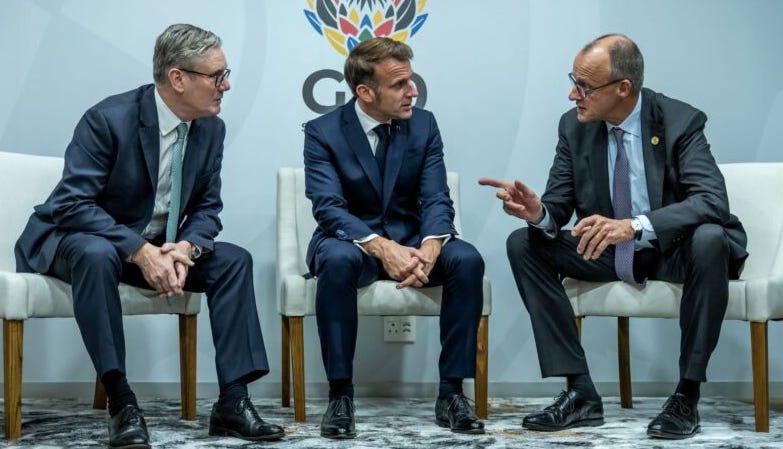
European political and intellectual elites have spent the past few decades pushing the risk of imminent Climate Armageddon. Some of us can still picture the young Joschka Fischer, a Leftist of the Greens party who took oath of office as Environment Minister in the German state of Hesse wearing sneakers and jeans in 1985.
Since then — in the name of Gaia, the Greek Goddess of Earth – they have bludgeoned their citizens and straightjacketed their once mighty corporate titans that dominated the global chemical, automotive and precision engineering industries through most of the 19th and 20th centuries. Germany’s Energiewende, the EU’s Green New Deal and the UK’s Climate Change Act unleashed punitive green mandates and carbon taxes. The Obama and Biden administrations joined Brussels in setting virtuous examples of ‘climate leadership‘, a defining criterion of energy policy in Western Europe and the US with the significant exception of President Trump’s two administrations. China, India and Russia and others in the Global South went along with the virtuous ride, but only so far as necessary to benefit from the promise of climate finance and reparations.
Alas, the Western alliance bet on the wrong god. It’s not Gaia but Neptune, the Roman God of the Seas, that threatens Western Europe with Armageddon right now. Europe’s civilisational threat is not from a ‘climate crisis’ but from a crisis in supplies of essential fossil fuels and collateral products such as fertilisers shipped through the Strait of Hormuz – the very commodities demonised by the Gaia cult. To be fair, it’s not Neptune causing tempests for wind-sailed boats that is at fault. But once Mars, the God of War, invokes his passions over Neptune’s domain, it behoves us to pay attention and understand maritime chokepoints and physical geography.
The unprecedented Strait of Hormuz closure
The Strait of Hormuz, connecting the Persian Gulf to the rest of the world, has always been the world’s most critical energy chokepoint, carrying roughly one-fifth of global oil and LNG and delivering cargoes from Middle East producers mainly to Asia, with smaller volumes to Europe, the US and the rest of the world. Iran’s closure of the Strait of Hormuz is also affecting about a third of the world’s fertiliser trade, raising prices 30% to 40% and threatening food supply security around the world.

