

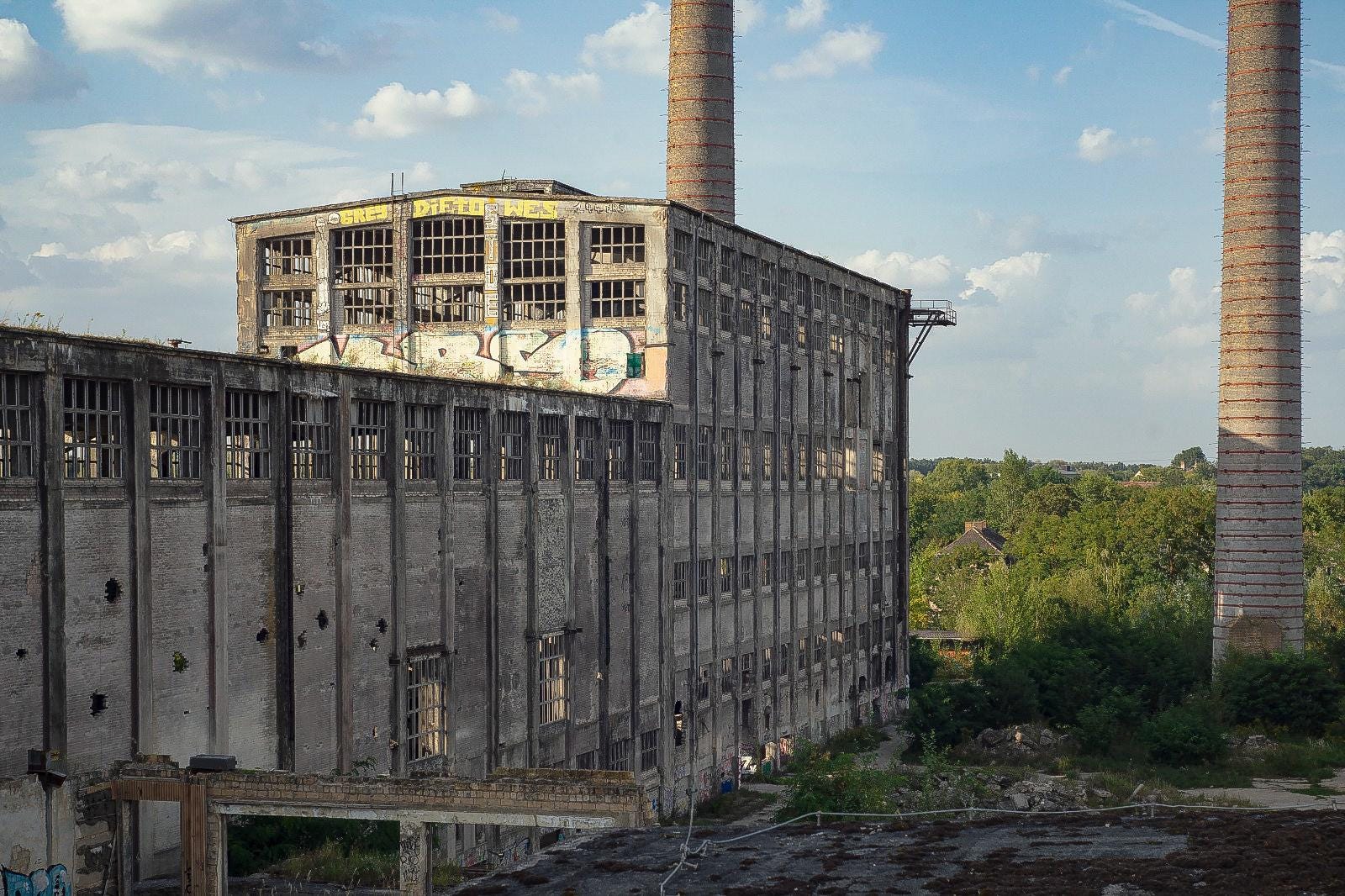
In its ‘Climate & Energy’ newsletter on Thursday, the Wall Street Journal’s report on Germany’s chemicals industry headlined ‘The Agonising Decline of One of Europe’s Core Industries’ reads less like an industry report than a forensic examination of an industrial autopsy. Once Europe’s formidable manufacturing powerhouse, Germany is now presiding over the steady dismantling of one of its most foundational industries – chemicals – under the combined weight of self-inflicted energy scarcity, climate moralism and geopolitical miscalculation.
In Politico’s view, the auto sector has already assumed the role of Exhibit A in Germany’s economic self-harm. But chemicals – the industry that quite literally underpins modern industrial civilisation – now stands exposed as Exhibit B. The collapse of chemicals manufacturing in Germany will be unsalvageable: when energy costs explode, feedstocks disappear and plants shut, financial investments and physical capital relocate not easily but in an irreversible rupture with previous arrangements.
The Industry That Built Modern Germany and the World
As Vaclav Smil authoritatively established, the four foundational materials of human civilisation are steel, cement, plastics and ammonia. But ammonia is the most fundamental because it sits upstream of life itself rather than merely infrastructure. Through synthetic nitrogen fertilisers enabled by the Haber–Bosch process, ammonia underwrites modern agriculture and thus the food supply for roughly half the world’s population, without which steel mills, concrete cities and plastic goods would be socially meaningless luxuries. A civilisation can endure with less concrete or fewer polymers, but it cannot survive the loss of fixed nitrogen – making ammonia not just an industrial input, but the metabolic backbone of modern human existence.
Germany’s rise as an industrial nation was inseparable from chemistry. Long before automobiles or machine tools defined its export prowess, German scientists and firms were pioneering breakthroughs in dyes, pharmaceuticals, fertilisers and industrial processes that transformed global production. The synthesis of ammonia via the Haber–Bosch process – enabling nitrogen fixation at scale – stands as one of the most consequential technological innovations in human history. It fed billions, powered agricultural productivity and anchored Germany’s early chemical supremacy.

