

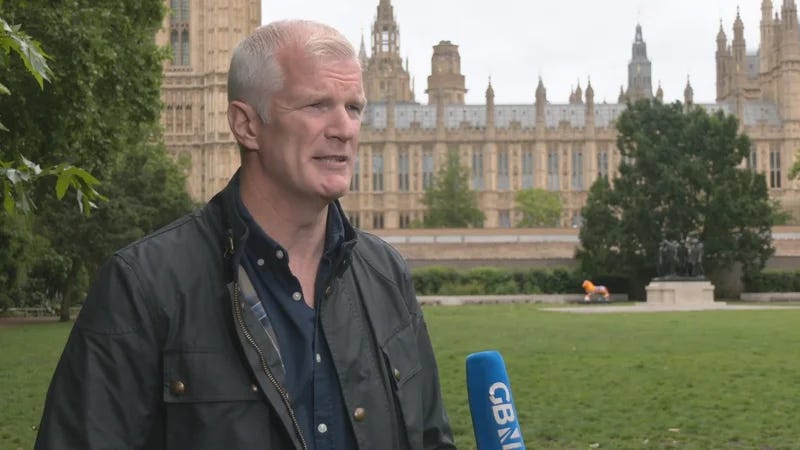
According to the Telegraph, Al Carns has issued a “veiled attack on Ed Miliband’s Net Zero policies”. In the same newspaper – a curious organ in which to set out leadership bids in anticipation of a contest for Keir Starmer’s job – Carns sets out his mercifully short argument for putting ‘security’ at the centre of everything. “Energy is not an environmental issue, but a security one,” he writes. “North Sea oil and gas, small modular reactors, energy storage and, of course, renewables, are all options that would reduce our exposure,” he continues. “A serious country would be using all of them,” he says, bemoaning that “we are not” and that “this is a choice, and we are paying for it”. But what really are the implications for Labour’s flagship policies – Miliband’s agenda?
Many in the wake of both increased geopolitical repolarisation and the consequent exposure of Britain’s military incapacity have welcomed Carns’s comments. They seem, at face value, to put realism at the centre of policymaking, where commitments to abstract concepts – i.e., emissions-reduction – have been put before cost, security of supply, and practically every application that requires energy. The problems are obvious to all but the green agenda’s dwindling number of advocates, who continue to promise benefits.
But this welcoming of realism is a naïve hope. It isn’t realism. On these pages, we’ve discussed the Conservative Party’s new attachment to Net Zero scepticism, then the growing tensions within the green blob itself, and ultimately this tension pulling the Labour camp in two directions, with Tony Blair and his minions on one side and Ed Miliband and his on the other. Both the Conservatives and Blair have turned on green targets, and urge us to put practical necessity before ideological ambition. Hurrah. However, I have been arguing against handing out medals for those who are now stating the obvious – their epiphanies seem insincere, their U-turns self-serving, and their new positions no more founded in principle and reason than their last.
And I find Carns’s “veiled attack” precisely of this genre. We need unveiled attacks if we are to lift the veils. And I don’t think Carns departs from the political problems that have plagued Britain this century as much as he epitomises them. As refreshing as it is to hear politicians ditch climate orthodoxy, it didn’t emerge in a vacuum.

