

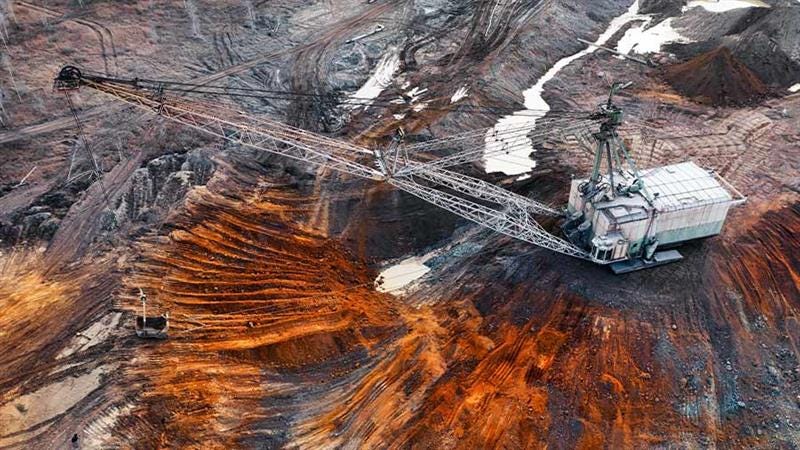
The dirty manufacturing secrets behind the ‘clean’ green power revolution continue to pile up. As do the piles of filthy toxic waste growing across a China seemingly keen to supplant traditional energy and auto industries around the world at almost any price. The rare earth elements neodymium and praseodymium provide the best magnets for wind turbines and EVs, but they can arise from the ground at a fearful environmental cost.
A modern wind turbine can contain up to 600 kilos of neodymium that is used to make powerful permanent magnets (NdFeB – neodymium-ion-boron magnets). But the metal, along with the praseodymium also added in the magnets, is found in very low quantities in ore, and substantial extraction and refining is necessary using toxic acids, solvents and leaching ponds. To produce one tonne of the material, it is estimated that up to 12,000 m3 of waste gas is produced along with a tonne of chronic radioactive residue. Up to 2,000 tonnes of toxic waste including slurry tailings mixtures that can leak into ground water supplies are produced.
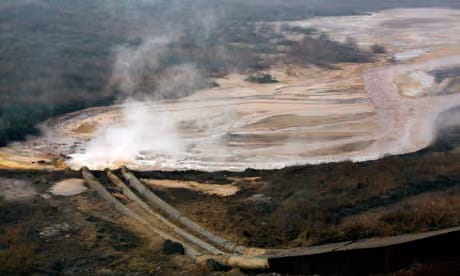
The rest of the world cannot compete on price for this and other ‘green’ requirements because historically the country has been prepared to accept the high environmental costs. Chinese neodymium is often half the price of the metal mined elsewhere. It is estimated that over 50,000 metric tonnes of the metal is mined every year in China at what might be termed rock-bottom prices. Overall world production approaches 70,000 tonnes. The other huge demand for NdFeB magnets comes from EVs. Sales have soared of late as China attempts to flood world markets with cheap battery autos.
Sinister green political forces are destroying energy security in the UK by closing down local oil and gas sources in favour of a reliance on supply from known difficult places. To their apparent surprise, one of the usual Middle East suspects has gone embonpoint elevated, and a country that was exporting hydrocarbons until 2004 faces possible rationing. Similar future difficulties might await if China attempts to retake the Civil War 1949 redoubt of Taiwan.

