

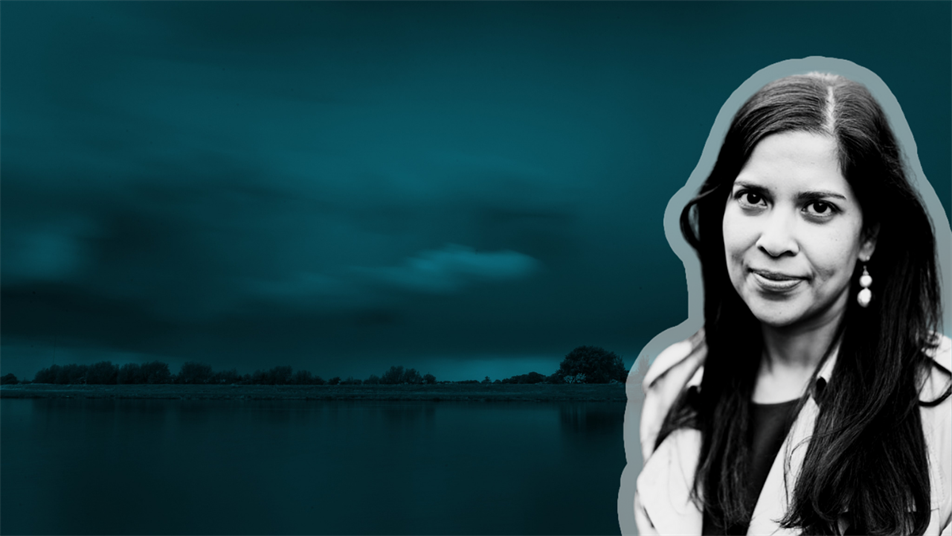
Last November, an invitation-only gathering of politicians, journalists and policy figures assembled at Westminster Central Hall to hear what was billed as an authoritative, expert-led “National Emergency Briefing” on the UK’s climate and energy crisis. The final speaker, awarded the “energy transition” slot, was Tessa Khan – lawyer, campaigner and founder of an NGO called Uplift. Her message was crisp: fossil fuels are the root cause of the UK’s energy price shocks; roughly half of all British recessions since 1970 have been caused by fossil fuel price volatility; and a fully renewable, electrified energy system will deliver lower bills, energy security and a just transition for workers and households alike. The audience, carefully curated, received this vision with the reverence one might accord a scientific briefing. No awkward questions followed about system costs, grid reliability, or the fate of the 100,000-odd workers in the North Sea supply chain. The “emergency” format, it seems, does not lend itself to inconvenient complications.
There is a peculiar growth industry that has flourished in the green movement: the professional climate litigator. Funded by an interlocking web of American and European philanthropic foundations, staffed by lawyers with no grounding in economics, energy engineering, or the lived realities of working people dependent on affordable power, this industry pursues a singular goal – to achieve through the courts what democratic electorates have repeatedly declined to endorse via the ballot box. Nowhere is this enterprise more vividly embodied than in the career of Tessa Khan.
Khan is the founder and Executive Director of Uplift, a UK-based NGO whose stated mission is to support “a rapid and just transition away from oil and gas production in the UK”. She is also, by her own account, an “international climate change and human rights lawyer, campaigner and strategist”. Before setting up Uplift, she was co-founder and co-director of the Climate Litigation Network, a project of the Urgenda Foundation – a Dutch NGO that first pioneered the strategy of suing national governments to force them to reduce greenhouse gas emissions by court order. In 2019, Time magazine named her one of 15 women “leading the fight against climate change”. She is, by the standards of the green movement, a star.
What are her qualifications? Khan holds a Bachelor of Laws (with Honours) and a Bachelor of Arts from the University of Western Australia, and a Master of Laws (with Distinction) from Oxford. She has spent time working in Thailand on women’s rights advocacy, in Egypt, India, the Netherlands and Australia. She’s an expert adviser to UN human rights bodies and has served on the steering committee of the Fossil Fuel Non-Proliferation Treaty Initiative. What she has never done – at any point in this impressive-sounding bio – is work in the energy sector, study economics, or demonstrate any understanding of what it means to depend on affordable, reliable energy for heat, transport, or employment. Her background is that of an activist, not a dispassionate analyst of complex (or, for that matter, simple) energy and economic trade-offs.

