

After a week of mass protests, Ireland was brought to a standstill. Farmers, truckers and hauliers blockaded motorways, ports and the country’s only oil refinery, leaving a third of petrol stations dry. The immediate trigger was a sharp spike in global fuel prices caused by the US-Israel military operations against Iran and the resulting disruptions in the Strait of Hormuz. But the deeper grievances were plain. Protesters demanded not only a fuel-price cap but the suspension of planned carbon-tax increases — policies that had already turned energy into a luxury for many households.
Underlying the anger, as commentators at MCC Brussels and elsewhere noted, was the cumulative burden of aggressive green decarbonisation combined with rapid mass immigration, both of which have imposed unbearable costs on working people while delivering no tangible benefits. The Government’s eventual response — €505 million in tax cuts and a delay of the carbon-tax hike — was an admission that elite climate and migration policies had finally produced a social explosion on the streets. Yet, like their counterparts in the EU and UK, the Irish Government has for long depended on elite-managed integration deliberately insulated from democratic politics and genuine popular support.
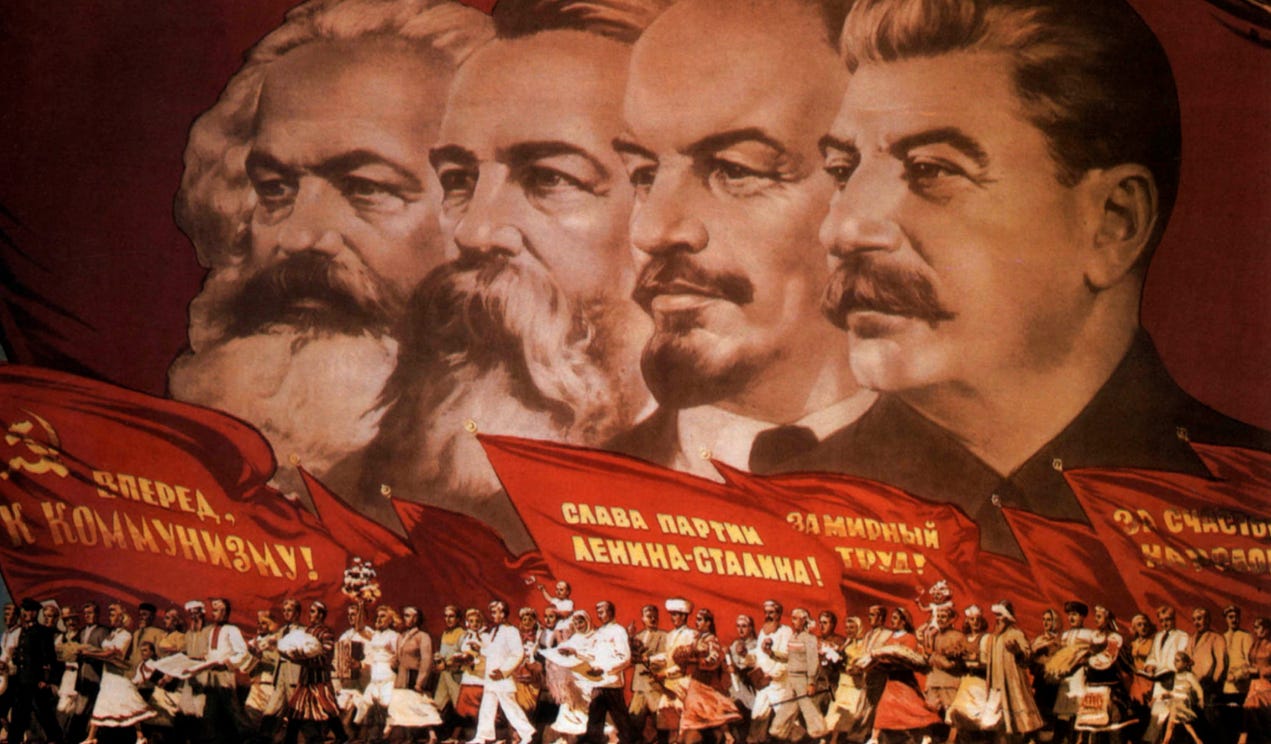
The European Union and the UK increasingly resemble the late Soviet Union in both institutional architecture and ideological rigidity. An unelected central bureaucracy sets the policy agenda while national parliaments and the European Parliament provide little more than democratic theatre. The Commission’s 32,000 civil servants, enjoying legal immunities and generous privileges, function as a modern nomenklatura insulated from accountability. As Finn Andreen documented in his February 2026 analysis for the Mises Institute, Brussels operates through a form of “democratic centralism”, steadily transferring sovereignty from member states upward during successive crises — globalisation, Covid, Ukraine, migration.
A parallel observation appears in Russian academic commentary describing the EU as a geopolitical entity based on ideology rather than organic national interests. The result is a state that fails at classical liberal functions — maintenance of infrastructure, law and order, price stability, national defence and facilitation of voluntary exchange — while excelling at narrative management and the suppression of dissent. This is not rhetorical exaggeration. It is the observable outcome of centralised planning dressed in progressive clothing.

