

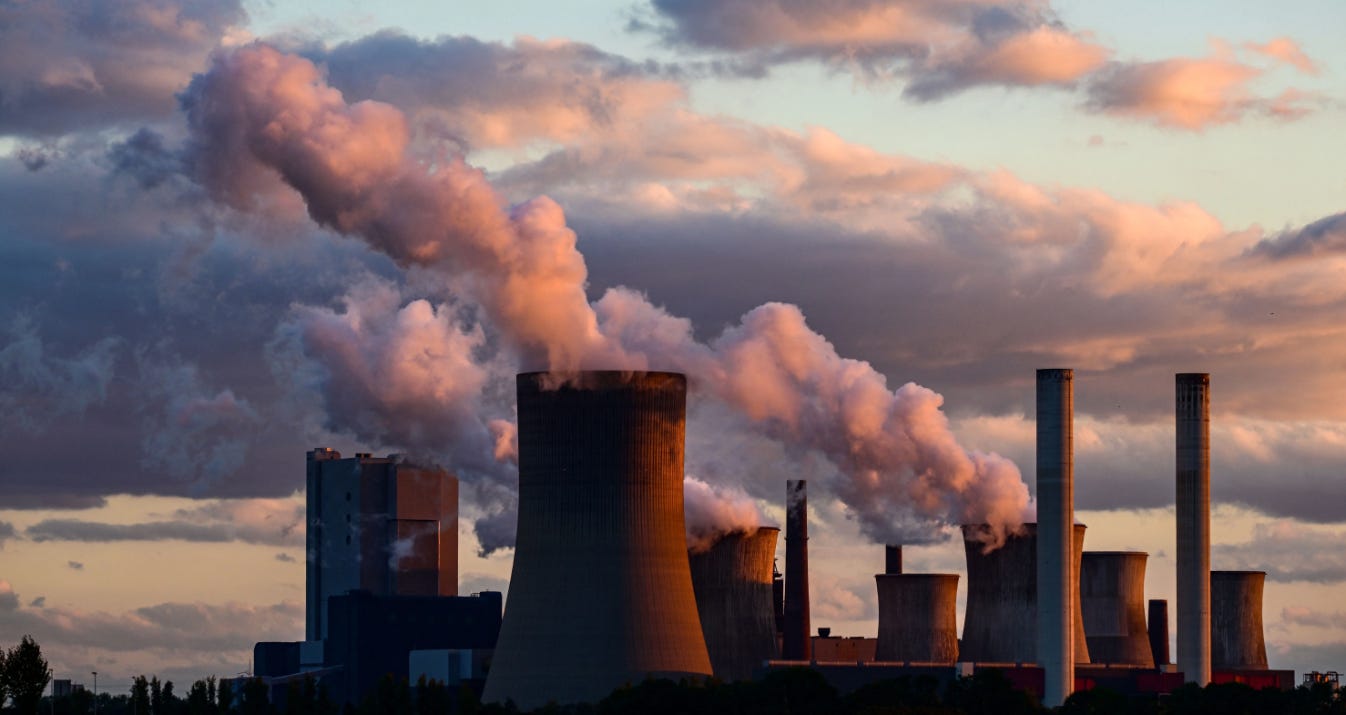
Philology. Study it. We need it more than ever. Become a philologist. Love words. Care about the logos. Why? Because our words lie and conceal the truth. Let’s just consider one example: the word ‘carbon’.
What does carbon mean?
As usual, it means different things to different political sides. Most simply,
For the standard Establishment sheeplike administrator whose highest ambition is to be standing around while Burnham makes an inspirational postmanpatlike speech about delivery: carbon means filth, dirt, soot, pollution, capitalism, corporations, oil spills, refinery skylines, bad consciences, global warming, climate crisis, etc.
For those of us on the other side: carbon means, alas, the stupidity associated with making a fuss about all of that: it means the ideology of that, the jolly hockeysticks and mad modelling and dubious data. It is nothing to do with us. It is an imposition. Aye, as usual, we are playing black, not white (chess metaphor). We didn’t start it: they did.
Carbon is, of course, an element. So all of this language is bogus. For what ‘carbon’ really is, here, is a synecdoche for ‘carbon dioxide’.
Let us look at the strange word ‘decarbonisation’. Looked at literally, it makes almost no sense. Taking the carbon out of something is far from easy, and certainly not a standard sort of activity. (Well, I suppose mining coal could considered decarbonising the ground.)

