

Though he spent four and a half years as leader of the Labour Party, Ed Miliband, formerly secretary of state for energy security and Net Zero, is synonymous with climate policy. His characteristic zeal was evident for the 20 months he served as the first secretary of state for energy and climate change in the dying days of Gordon Brown’s government. But following Andy Burnham’s coronation, Miliband has been appointed to the Foreign Office, and replaced at DESNZ by a relatively unknown junior minister, Miatta Fahnbulleh. So what does this game of musical chairs signify? What does it mean for Britain’s mad Net Zero agenda?
It’s been clear since the General Election that something was going to give. Many, including me, didn’t think that Miliband and his brand of Net Zero would last this long. But the dam broke upstream of DESNZ and Ed. Early rumours suggested that Miliband would give the top job another go and was among the favourites to occupy Number 10. But, having ruled himself out, and as the concept of democratic contest drained from the question of the party’s leadership, Miliband was being touted as a possible fit for Number 11. It would be harder to say if Miliband hadn’t been such a zealot, but there is clearly some significance to his move away from climate and energy. Whereas a role such as Chancellor of the Exchequer would have left him able to advance his green-Left agenda, as Foreign Secretary, domestic affairs are somewhat none of his business – he’ll be imprisoned by private jet.
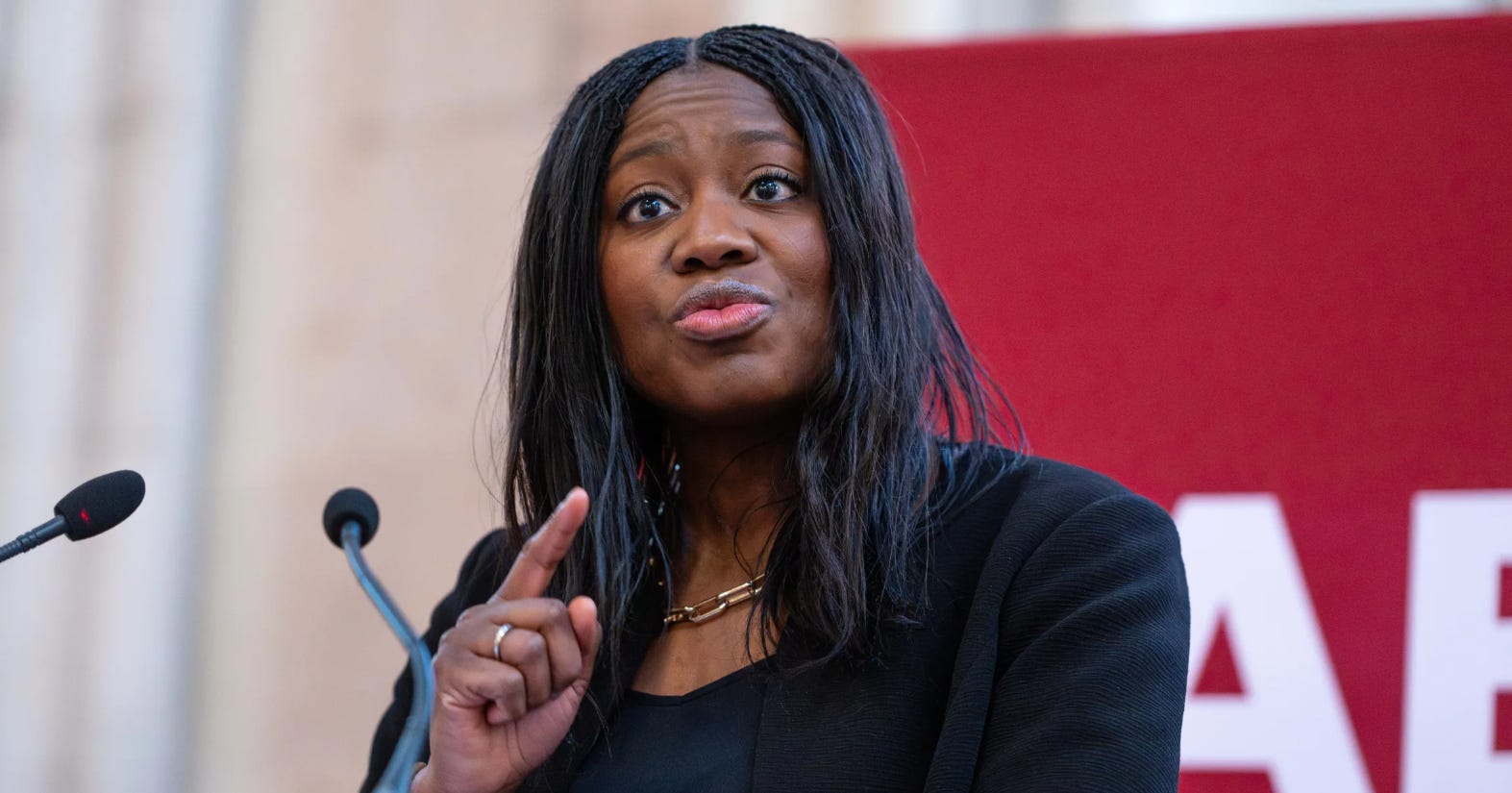
Replacing him, the MP for Peckham, Fahnbulleh, joins DESNZ after serving as Parliamentary under-secretary of state at the Ministry of Housing, Communities and Local Government. That’s arguably quite a leap, suggestive of a relative nobody being appointed as something of a ‘fallguy’ to a role that, though not a major office of state, has hitherto largely been filled by relatively experienced politicians. Chris Huhn and Ed Davey followed Miliband after the 2010 General Election, and though DECC was closed down, the same brief was then held by the likes of Amber Rudd, Greg Clark, Andrea Leadsom, Alok Sharma, Kwasi Kwarteng, Jacob Rees Mogg and Grant Shapps. Will Miatta Fahnbulleh, who has only been an MP for two years, be able to assert herself in a Cabinet ruled by the King of the North, who is painfully aware that something brought down the man he usurped?
What happens, for example, if a policy of continuity Milibandism requires more of the taxpayer, as it surely will? John Healy’s resignation as defence secretary was one of the longest knives plunged into Keir Starmer’s credibility and hinted at the realism required to back up statements about Britain’s strategic posture with material resources. Now Chancellor, and exposed to a greater awareness of the fact that the production of materiel requires industrial capacity, Healy might be less moved by the kind of soft green-Left verbiage that has arguably emasculated nearly the entire continent.

